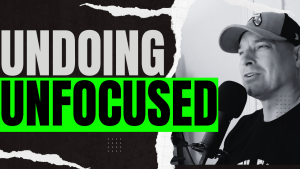
UnDoing UnScheduled: How to stop the bleeding of time in your schedule!
The key is not to prioritize what’s on your schedule, but to schedule your priorities.
— Stephen R. Covey
Most people don’t fail because they lack motivation.
They fail because their calendar is lying to them.
In this video, we break down why being busy is not the same as being intentional—and how your schedule may be silently stealing your focus, energy, and future.
If you’ve ever felt: Constantly busy but falling behind Pulled in a hundred directions every day Frustrated that your “important goals” never make the calendar
Like life is running you instead of the other way around
This message is for you.
What you’ll learn in this video:
- Why prioritizing tasks doesn’t work if your calendar isn’t aligned
- How scheduling your priorities creates clarity, focus, and momentum
- The hidden cost of living in reaction mode
- How to stop living on autopilot and start living On Purpose How the On Purpose Operating System (ONOS) helps you design your days instead of surviving them
This isn’t about productivity hacks. It’s about reclaiming control of your time, attention, and life.
Because if you don’t schedule what matters most, the world will happily fill your calendar for you.
Watch now and start scheduling your priorities—before another week disappears.
What does it mean to be “UnScheduled”?
Being UnScheduled means you’re letting your time be dictated by interruptions, reactions, and other people’s priorities instead of intentionally planning your days, weeks, and seasons around what matters most. It’s not laziness—it’s a lack of structure aligned with purpose.
Why do I feel busy all day but still unproductive?
This is one of the clearest signs of being UnScheduled. When your calendar is filled reactively, you spend your energy responding instead of progressing. Activity without intention creates exhaustion without results.
Is being UnScheduled the same as being unorganized?
Not exactly. You can be organized and still UnScheduled.
UnScheduled people may have systems, tools, and to-do lists, but no clear priorities driving when and why things happen. Scheduling is about decision-making, not just organization.
How does being UnScheduled affect mental health?
Living UnScheduled often leads to:
-
Chronic stress
-
Anxiety from feeling behind
-
Decision fatigue
-
Guilt for neglecting important areas of life
When everything feels urgent, your nervous system never gets relief.
What causes people to live UnScheduled lives?
Common causes include:
-
Overcommitment and people-pleasing
-
Fear of missing opportunities
-
No clear vision or priorities
-
Constant digital distractions (email, phone, social media)
-
Confusing flexibility with freedom
Without intentional scheduling, time gets spent by default.
Is scheduling my life too rigid or restrictive?
No. This is a common myth.
Intentional scheduling actually creates freedom by protecting time for what matters—focus, rest, family, health, and growth. Structure doesn’t remove flexibility; it makes flexibility sustainable.
What’s the difference between UnScheduled and UnFocused?
-
UnScheduled = You haven’t decided when important things happen
-
UnFocused = You can’t stay present or concentrated on what you’re doing
Scheduling creates the container that allows focus to exist.
How does UnDoing UnScheduled fit into the On Purpose Operating System (ONOS)?
UnDoing UnScheduled aligns with the MAP and Action phases of ONOS:
-
Clarifying priorities (Motivation)
-
Translating vision into time blocks (Action)
-
Designing days and weeks that support purpose, not chaos
ONOS helps you move from reaction to intention.
How many priorities should I schedule at once?
Less than you think.
Most people fail because they try to schedule too much.
A best practice:
-
3 priorities per season
-
1 primary focus per day
-
Clear boundaries around time
Simplicity creates consistency.
How do I stop letting other people control my schedule?
It starts with clarity. When you know your priorities:
-
Saying “no” becomes easier
-
Saying “not now” becomes acceptable
-
Your calendar becomes a filter, not a free-for-all
Boundaries are not selfish—they’re necessary.
What role does my calendar play in being UnScheduled?
Your calendar is a mirror.
If your values aren’t scheduled, they aren’t protected.
UnScheduled calendars often show:
-
Meetings without outcomes
-
No time for thinking or planning
-
No margin for rest or recovery
Scheduling reveals what you truly prioritize.
How do I begin UnDoing UnScheduled today?
Start simple:
-
Identify your top 3 priorities for the next 30–90 days
-
Schedule time for them before anything else
-
Remove or delegate low-value commitments
You don’t need a perfect schedule, just an intentional one.
Can UnDoing UnScheduled help with burnout?
Yes. Many people aren’t burned out from doing too much, they’re burned out from doing too much of what doesn’t matter. Scheduling your priorities restores energy, clarity, and control.
Is being UnScheduled a productivity problem or a mindset problem?
Both.
UnScheduled living often comes from:
-
Avoiding hard decisions
-
Fear of commitment
-
Unclear purpose
Once purpose is clear, scheduling becomes natural, not forced.
Who is UnDoing UnScheduled for?
This concept is especially powerful for:
-
Entrepreneurs and business owners
-
Leaders and executives
-
Parents juggling multiple roles
-
High achievers who feel stuck or scattered
-
Anyone tired of feeling “busy but behind”
What’s the ultimate goal of UnDoing UnScheduled?
The goal isn’t a perfect calendar.
The goal is a life where:
-
Your time reflects your values
-
Your energy is spent intentionally
-
Your days move you closer to who you’re becoming
You stop living by accident, and start living on purpose.